

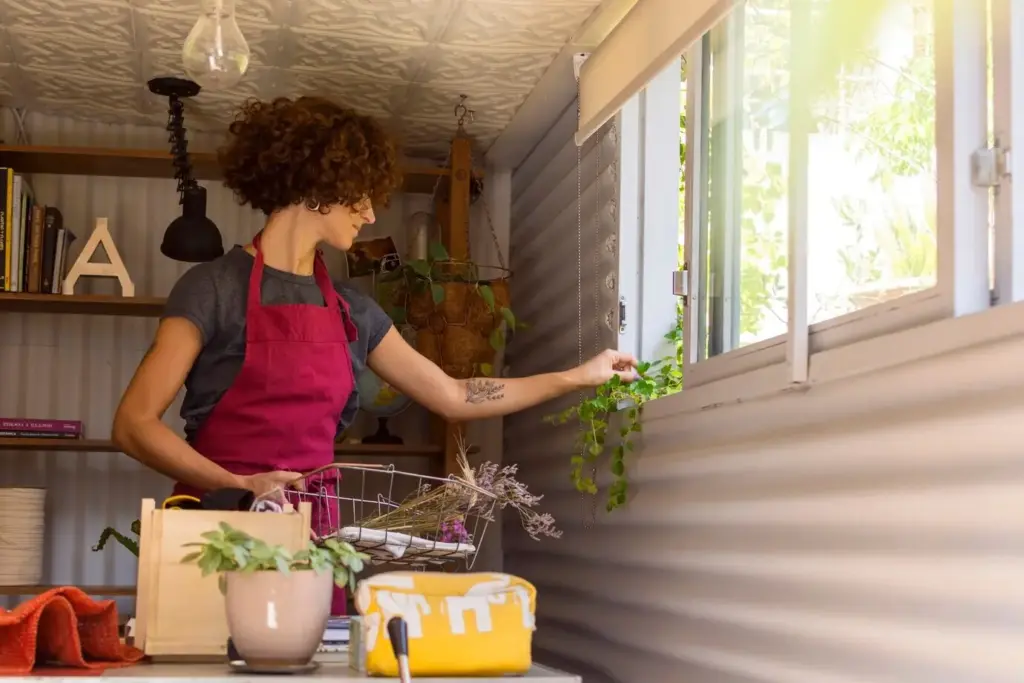
Small-Space, Big Impact: Zero‑Waste Kitchen Makeovers
Today we explore zero‑waste kitchen redesigns for compact urban flats, turning constraints into catalysts for daily joy and measurable impact. Expect layout strategies, material choices, storage ideas, and behavior cues that lower waste without sacrificing flavor, comfort, or style, even in studios measured in steps rather than strides. We share quick wins, renter‑friendly fixes, and actionable numbers you can use this week, so your next meal preps, cleans, and composts with graceful ease.
Galley Alchemy
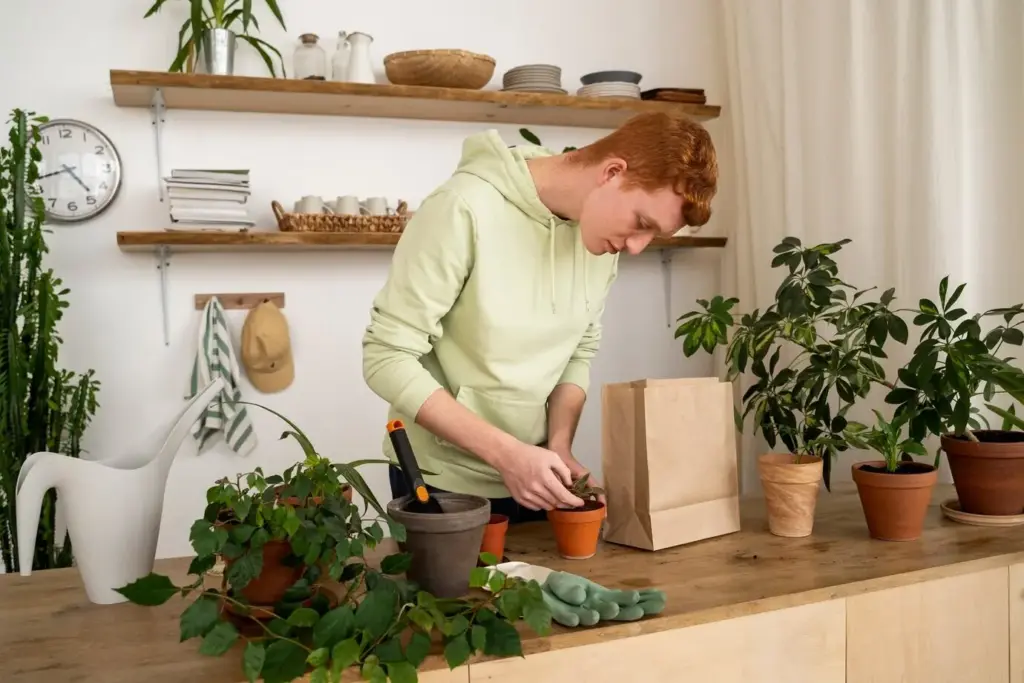
In a 2.1‑meter galley, Maya shifted her prep beside the sink, nested a slim compost caddy under the cutting board, and mounted magnetic spice jars above the knife rail. The classic triangle vanished, yet flow improved dramatically, trimming cleanup minutes and stopping peels from traveling, dripping, and attracting midnight fruit flies.
Corners With a Job

Instead of dead zones, corners become purposeful stations: a lazy Susan for refillable jars, a pull‑out for soft‑plastic drop‑offs, and a paper‑bag pocket for glass returns. When every awkward angle hosts a repeatable action, clutter evaporates, sorting happens automatically, and you reclaim precious straight‑line counter for actual cooking.
Vertical Sightlines That Cue Action

Place transparent bins for produce at eye level, mount a fold‑down drying rack above the sink, and keep a visible compost caddy where your hand naturally pauses after chopping. When essentials live along your line of sight, good decisions become reflexes, replacing rummaging with calm, consistent, low‑waste momentum.
Materials That Start Clean and Stay Honest
Surfaces whisper values every time you touch them. Choose recyclable metals, reclaimed timber, durable stainless, and honest laminates that resist fads, laugh at spills, and welcome repairs. Materials should age gracefully, avoid toxins, and prefer reversible installation, so renters and owners alike can evolve without landfill‑bound regrets.
Reclaimed Worktops That Tell a Story
Salvaged hardwood, lab‑grade resin slabs, or remnant stone transform scars into conversation starters. Sealed correctly, they shrug off daily abuse while keeping new extraction low. A carpenter can scribe to tight walls, and when you eventually move, modular brackets let the surface travel to its next useful life.
Bamboo, Cork, and Linoleum Underfoot
Fast‑renewing bamboo, cushioned cork, and classic linoleum handle spills, scrubbing, and standing fatigue without synthetics that off‑gas for months. Tiles cut to small room dimensions minimize waste, while warm textures soften the echo of pans. Choose click‑in systems for renter‑friendly removal, reuse, and straightforward patch repairs after mishaps.
Low‑VOC Finishes You Can Breathe With
Water‑borne varnishes, plant oils, and powder‑coated metals reduce harsh smells and headaches in tight flats. They also make cleanup easier, discouraging single‑use wipes and harsh solvents. Check independent certifications and keep a window cracked during curing, then enjoy a kitchen that smells like dinner, not a paint aisle.
Storage That Prevents Waste Before It Starts
Most spoilage hides behind mystery containers and deep, shadowy shelves. We bring everything forward with transparent vessels, shallow depths, and first‑in‑first‑out flows. When ingredients are visible, measured, and reachable, you buy only what fits, cook what you own, and stop repeating forgotten purchases during rushed supermarket laps.
Transparent Jars and FIFO Shelves
Standardize jar heights, add front rails, and leave a finger’s width between containers for easy grabs. Label lids, not just faces, so top views work on high shelves. A simple rule—new stock behind old—keeps lentils moving, coffee fresh, and snacks rotated before they collapse into stale, guilty, compost fodder.
Modular Drawer Inserts for Loose Goods
Shallow drawers become bulk‑goods powerhouses with adjustable dividers sized for scoops and reusable bags. Stash a folding funnel, tare‑noted tags, and a grease pencil inside. Every refill becomes quick, neat, and satisfying, encouraging market habits that bypass disposable packaging altogether while keeping breadcrumbs and seeds where they belong.
Appliances and Tools for Low‑Waste Living
In small flats, every plug and pan must justify its footprint. Favor multipurpose gear that speeds cooking, tames energy use, and welcomes repairs. When heat is precise and cleanup gentle, you stretch ingredients, save time, and avoid emergency takeout that arrives wrapped in forgettable, crinkly layers of plastic.
Water, Air, and Energy Systems That Quietly Save
Invisible systems do the heaviest lifting in tight homes. Aerated taps, efficient heaters, and smart ventilation keep comfort high and bills low while preventing mold and odors around compost stations. Choose durable hardware, clean filters regularly, and let silent helpers amplify every intentional choice you make at the cutting board.
Bulk Clubs, Refilleries, and Sharing Apps
Split bulk purchases with neighbors through a group chat, then store portions in standardized jars. Map local refilleries for soap, spices, and grains. Borrow rarely used gadgets via lending apps. Collaboration cuts packaging, reduces impulse buys, and invites new recipes as you discover what everyone else swears by.
Labels, Prompts, and Sunday Resets
Place a washable checklist on the fridge: freeze broth cubes, roast tired vegetables, and decant bulk goods. Color‑code labels by use‑first urgency. A fifteen‑minute Sunday reset clears science experiments before they start. Small, repeatable prompts stack into momentum that carries you through even the most chaotic weeks gracefully.